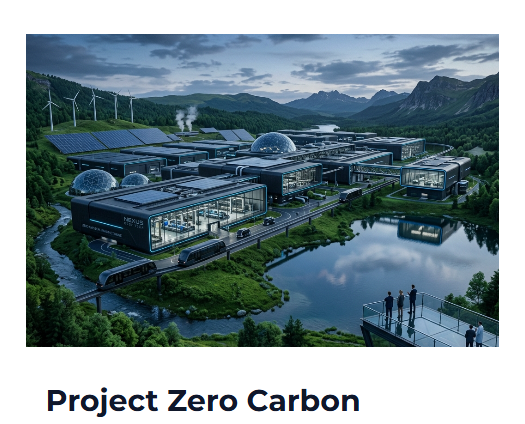
Project Zero Carbon
A systematic pathway to net-zero operations across enterprises, industrial parks, data centers, and infrastructure.
This initiative systematically reduces carbon emissions generated during the operations of enterprises, industrial parks, data centers, and infrastructure through comprehensive solutions — including clean energy, energy storage systems, smart grids, AI-driven energy management, energy-efficiency retrofits, and carbon management.
The project begins by assessing energy consumption and carbon emissions; it then progressively increases the share of renewable energy while enhancing energy efficiency. Digital energy management is employed to continuously optimize energy allocation and operational efficiency, while appropriate carbon removal or other mitigation measures address unavoidable residual emissions, ultimately driving the project toward net-zero goals.
Zero-carbon projects prioritize not only environmental benefits but also long-term economic value. By lowering energy costs, improving energy utilization efficiency, enhancing the resilience of energy supplies, and mitigating risks associated with future carbon emissions and regulatory compliance, these projects help enterprises establish highly efficient, sustainable, and competitive operational systems. Simultaneously, they create new opportunities for investment and collaboration in clean energy, green infrastructure, and the development of low-carbon industries.
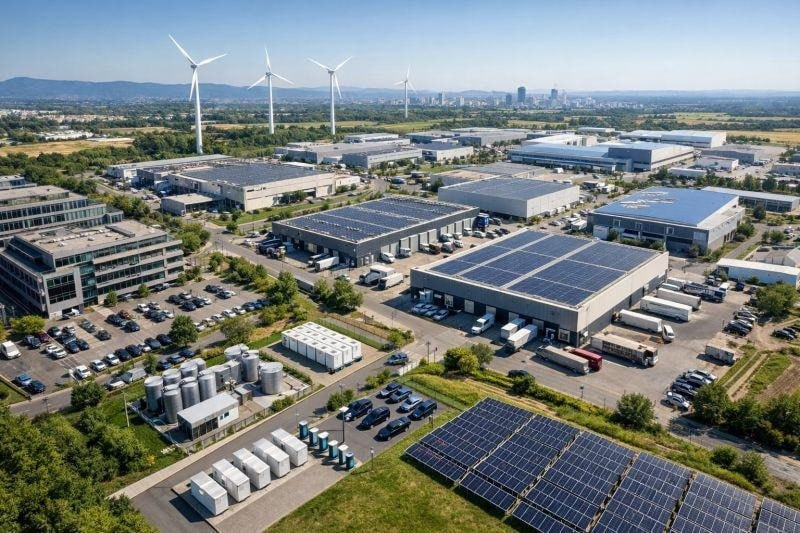
A zero-carbon (or net-zero) project minimizes the greenhouse gas emissions it generates through measures such as new energy sources, energy-saving technologies, energy management, and carbon removal. It then addresses any unavoidable residual emissions, ultimately achieving net emissions that are close to or equal to zero.
The United Nations' core definition of "net zero" entails first drastically reducing emissions — leaving only a small amount of residual emissions — and then absorbing and permanently storing them through natural or other carbon removal methods.
"Net zero entails first drastically reducing emissions — then absorbing and permanently storing residual emissions through natural or engineered carbon removal methods."
— United Nations Framework
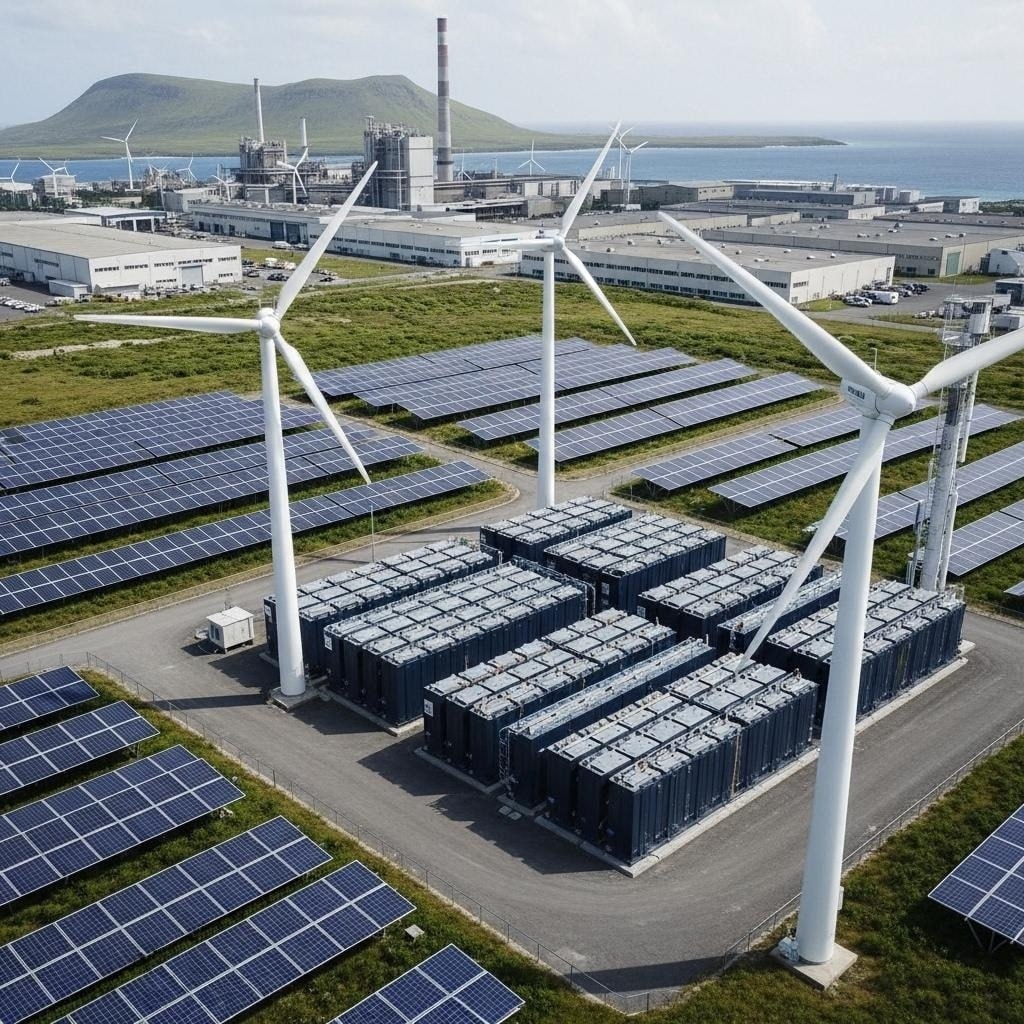
Curtailing the use of fossil fuels such as coal, oil, and natural gas to lower emissions of CO₂ and other greenhouse gases.
Improving energy efficiency through solar power, wind energy, energy storage, smart grids, and AI-driven energy management to reduce electricity and operational costs over the long term.
Facilitating the shift from traditional energy sources to renewable and clean energy, thereby enhancing energy independence and stability.
Addressing increasingly stringent global regulations regarding carbon emissions, energy efficiency, and climate-related disclosures to mitigate future compliance risks.
Leveraging zero-carbon capabilities as a competitive advantage to secure orders, financing, and partnerships, given the growing focus of major clients, investors, and supply chain partners on carbon performance.
Generating investment prospects across sectors such as solar power, energy storage, green data centers, smart manufacturing, green buildings, hydrogen energy, and CCUS (Carbon Capture, Utilization, and Storage).
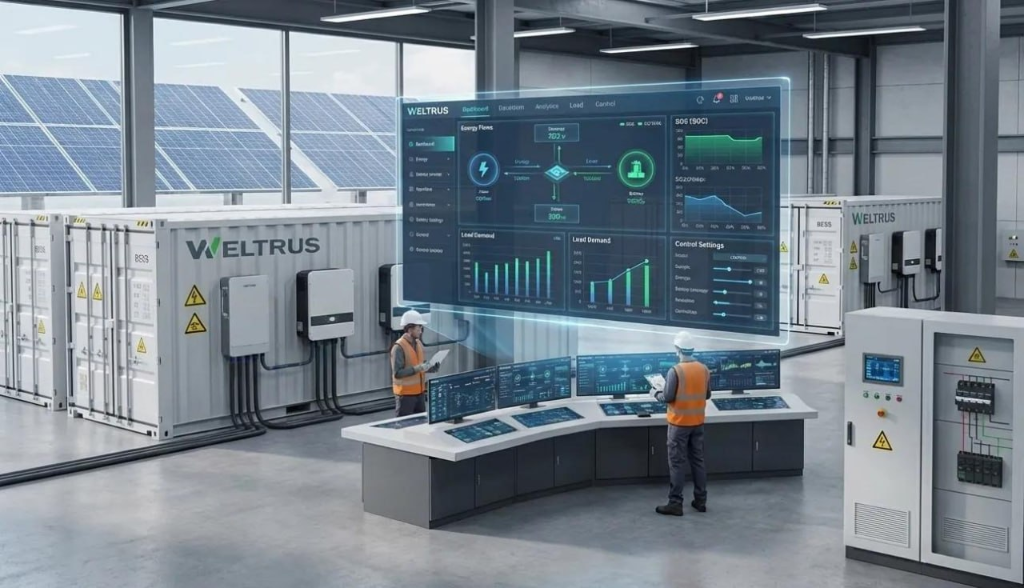
We are actively seeking enterprises, industrial operators, and institutional partners committed to building the next generation of zero-carbon infrastructure.
Contact Our Team